

There’s a specific kind of guilt that shows up after you stop answering calls or miss a few group sessions. At first, it feels temporary. You tell yourself you’ll go back next week. Then work gets hectic. You sleep through a Saturday morning. You avoid one phone call because you don’t know what to say.
A few weeks later, treatment starts to feel like something you used to do instead of something you can still return to.
If that sounds familiar, you are far from the only person searching for support near Wilmington. A lot of people looking into flexible recovery programs aren’t brand-new to treatment. They’re trying to figure out how to reconnect after life, shame, exhaustion, or addiction pulled them off track.
For many people, programs like multi-day weekly treatment become easier to stick with when there are evening or weekend options that fit real life instead of competing against it.
Missing Treatment Doesn’t Mean You Failed Recovery
A lot of people quietly disappear from treatment without ever talking about why.
Some leave because they relapsed and feel embarrassed. Others leave because they were overwhelmed long before they stopped showing up. Sometimes finances, childcare, transportation, or work schedules become impossible to balance. And sometimes people simply hit emotional burnout.
Recovery can be emotionally exhausting, especially during the middle stages. The adrenaline of finally asking for help has faded, but life still feels messy and uncomfortable. That middle stretch is where many people struggle.
And honestly? That struggle doesn’t make you weak.
One of the hardest parts about addiction recovery is that people often expect themselves to heal perfectly. If they miss meetings or stop attending groups, they immediately assume they’ve ruined everything.
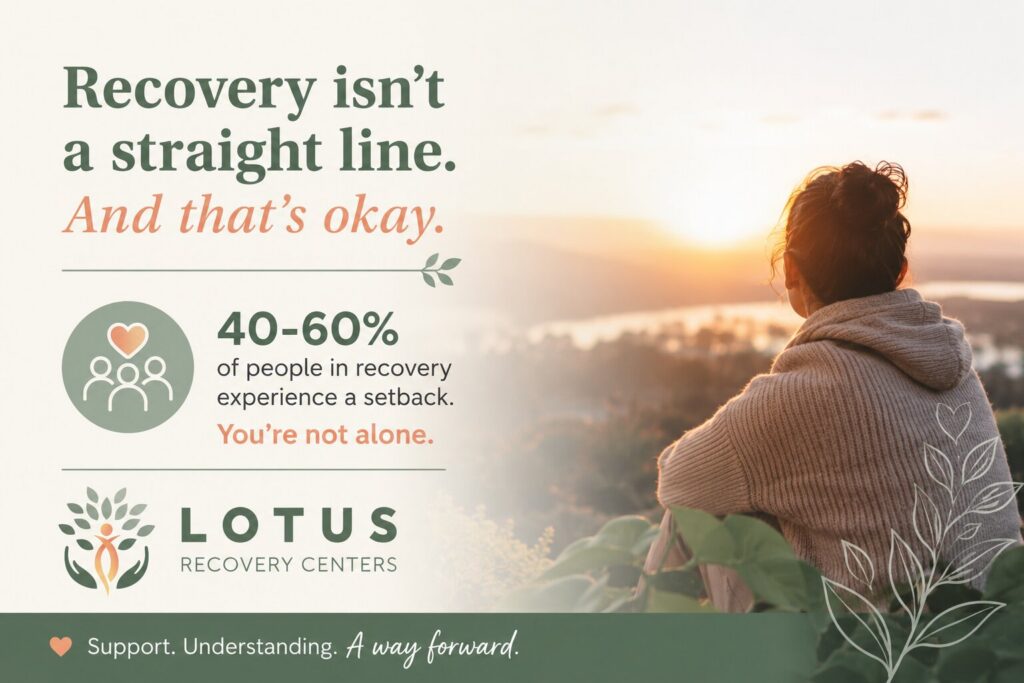
But recovery isn’t usually a straight climb upward. It’s more like learning how to walk during a storm. Some days you move steadily forward. Some days you lose balance. Some days you stop completely and wait for the weather to calm down.
Stopping doesn’t erase the progress you already made.
Why Evening or Weekend Support Feels More Manageable for Some People
Traditional daytime treatment schedules don’t work for everyone. That’s just reality.
Many adults near Wilmington are balancing jobs, parenting responsibilities, school schedules, caregiving, or financial pressure while trying to recover. Recovery support can feel impossible to maintain if every appointment conflicts with daily survival.
That’s why some people specifically search for evening outpatient addiction treatment after dropping out of previous programs. Flexibility lowers the barrier to coming back.
Evening and weekend groups can help because they:
- Reduce conflicts with work schedules
- Make childcare planning easier
- Allow people to keep rebuilding normal routines
- Create consistency without requiring total isolation from daily life
- Feel less disruptive for people easing back into recovery
For many people, flexibility isn’t about convenience. It’s about sustainability.
There’s a difference between a treatment plan that sounds good on paper and one you can realistically continue showing up for when life gets difficult.
The Fear of Going Back Is Usually Worse Than Actually Returning
People often build the return up in their minds.
They imagine uncomfortable questions. Judgment. Awkward conversations. Disappointed staff members wondering why they disappeared.
Most of the time, that isn’t what happens.
Usually, the hardest part is simply walking back through the door.
The truth is, treatment providers and peers see this kind of pause all the time. People leave. People relapse. People ghost programs because shame tells them they’ve become unwelcome.
Then they come back.
And often, nobody treats them like a failure.
They’re just greeted like someone who’s been having a hard time.
“I thought I’d have to explain myself to everyone. Nobody made me feel embarrassed. They just seemed relieved I came back.”
– Former outpatient client
That kind of experience matters because shame thrives in isolation. The longer someone stays disconnected, the heavier returning begins to feel.
Recovery Gets Harder in Silence
Addiction has a way of shrinking your world slowly.
At first, maybe you just stop answering a few texts. Then you avoid group members because you don’t want to admit you’re struggling again. Then weekends become lonelier. Sleep gets worse. Your thoughts get louder.
Isolation is dangerous partly because it makes everything feel permanent.
Without support, one difficult week starts sounding like proof that nothing will ever change.
That’s why even partial reconnection matters. You don’t need to have your entire life figured out before returning to treatment or support groups. Sometimes recovery starts again with something very small:
- Replying to a message
- Attending one group session
- Asking about evening availability
- Calling without fully committing yet
- Admitting you’re overwhelmed instead of pretending you’re okay
Those small moments count more than people realize.
Pay Attention to What Didn’t Work Before
Coming back to treatment doesn’t mean pretending the previous experience worked perfectly.
Actually, one of the healthiest things you can do is honestly evaluate what made you leave in the first place.
Maybe:
- The schedule overwhelmed you
- You felt emotionally flooded during groups
- You were trying to look “fine” instead of being honest
- Transportation became difficult
- Work stress took over
- You needed more flexibility than the program offered
- You relapsed and got scared of disappointing people
Understanding those obstacles matters because recovery isn’t just about motivation. It’s also about structure.
If your previous schedule made consistent attendance nearly impossible, exploring evening outpatient addiction treatment may help remove some of the pressure that contributed to leaving.
A recovery plan should support your life — not constantly collide with it.
You Don’t Need to “Earn” Another Chance
This is something many people quietly believe after dropping out:
“They probably don’t want me back.”
That thought keeps people stuck longer than almost anything else.
The reality is that many treatment teams understand relapse, avoidance, emotional shutdown, and inconsistency better than people think. Recovery workers see how shame affects people. They know that disappearing is often part of the struggle, not proof that someone doesn’t care.
You do not need a perfect explanation before reaching back out.
You don’t need to arrive fully sober, emotionally stable, or completely certain. You don’t have to prove you deserve support again.
You’re allowed to return while still figuring things out.
Sometimes healing begins with simply letting someone know you’re still trying.
Flexible Programs Can Help Reduce the Pressure to Be “Perfect”
One reason people burn out in recovery is because they think they have to do everything flawlessly.
Never miss a session. Never struggle emotionally. Never think about using again. Never feel exhausted.
That kind of pressure can make recovery feel fragile instead of sustainable.
Programs with flexible scheduling often create more room for real life to exist alongside treatment. Evening and weekend support can allow people to continue working, caring for family, or rebuilding stability without feeling like recovery has to compete with every other responsibility.
That balance matters.
Because recovery is not about disappearing from life forever. It’s about slowly learning how to live inside it again without substances controlling everything.
For people near Wilmington looking for more manageable support, exploring treatment options in Delaware may be a meaningful first step toward reconnecting without overwhelming pressure.
Sometimes the Most Courageous Thing Is Simply Coming Back
People often think courage in recovery looks dramatic.
Big speeches. Huge breakthroughs. Public milestones.
But sometimes courage looks much quieter than that.
Sometimes it looks like:
- Showing up after disappearing
- Being honest about struggling
- Asking for a later group time because mornings feel impossible
- Admitting you’re scared treatment won’t work
- Trying again even after losing confidence
Those moments matter deeply.
And they happen every day in recovery communities.
You are not disqualified from healing because you stopped showing up for a while.
You are not behind everyone else.
You are not the only person trying to find your footing again.
FAQ: Evening or Weekend Addiction Treatment Near Wilmington
Can I return to treatment after dropping out?
Yes. Many people leave treatment and later return. A pause in care does not mean you failed or lost your opportunity to recover. Most programs understand that recovery can involve setbacks, emotional overwhelm, or life circumstances that interrupt treatment.
What if I relapsed after leaving treatment?
Relapse is one of the most common reasons people stop attending treatment. You do not need to “fix everything” before reaching back out for support. Many people return to care after using again.
Are evening recovery groups easier to stick with?
For many people, yes. Evening schedules can make treatment feel more manageable because they allow room for work, school, parenting, or other responsibilities during the day.
How many days a week does outpatient treatment usually involve?
Programs vary depending on individual needs. Some people attend several evenings per week, while others participate in weekend sessions or customized schedules designed to support long-term consistency.
Is outpatient care private?
Yes. Treatment providers are required to protect patient confidentiality. Many people attend outpatient programs while continuing work or family responsibilities without others knowing the details of their care.
What if I feel embarrassed about coming back?
That feeling is extremely common. Many people fear judgment after missing sessions or leaving treatment. In reality, most recovery professionals are simply glad when someone reconnects and asks for support again.
Can flexible treatment still be effective?
Yes. Recovery support does not have to completely take over your life to help. Flexible scheduling can improve consistency for people who struggle balancing treatment with work, parenting, or daily responsibilities.
How do I know if I need more support again?
You may benefit from reconnecting with treatment if:
- Substance use is increasing again
- You feel isolated or emotionally overwhelmed
- You’ve stopped using healthy coping skills
- You constantly think about returning to treatment
- Daily life feels harder to manage than it used to
Sometimes the thought “maybe I should go back” is already worth listening to.
Call (833)922-1615 or explore our IOP services to learn more about programs available through Lotus Recovery Centers. You can also learn more about available treatment options in Delaware.