

If you’re the parent of a young adult who has started using substances again, you may be carrying a kind of worry that is difficult to explain to anyone who hasn’t lived it.
You check your phone more often.
You replay conversations in your head.
You wonder whether you’re overreacting or not reacting enough.
And somewhere between concern and exhaustion, you find yourself asking a question that countless parents ask:
“Should I do something now, or should I wait a little longer?”
As a clinician, I’ve sat with many parents facing this exact moment. Their son is twenty. Their daughter is twenty-two. They are technically adults, yet the instinct to protect them remains as strong as it was when they were children.
The challenge is that substance use disorders often thrive during periods of uncertainty. Families wait for proof. They wait for certainty. They wait for the right moment.
Sometimes that moment never arrives.
If you’ve been searching for answers and exploring options like an alcohol treatment program, it may be because part of you already senses that waiting is becoming more painful than taking action.
The Hardest Part Is Often What You Can’t See
Many parents expect addiction to look obvious.
They imagine missed work, legal problems, arrests, or complete chaos.
Sometimes it looks that way.
But often it doesn’t.
Many young adults continue functioning long after substance use has begun affecting their lives.
They attend classes.
They keep part-time jobs.
They spend time with friends.
They show up for family events.
From the outside, things may appear manageable.
Yet underneath the surface, important changes are happening.
Motivation decreases.
Relationships become strained.
Promises are broken.
Trust starts eroding.
The difficulty is that parents often notice these changes before they fully understand what they mean.
You may not have evidence of a major problem.
You simply have a feeling that something isn’t right.
That feeling deserves attention.
Why Parents Wait Longer Than They Planned
Most families don’t delay because they don’t care.
They delay because they care deeply.
Parents tell themselves:
“Maybe this is just a phase.”
“Maybe they’re stressed.”
“Maybe they need time to figure things out.”
“Maybe bringing it up will push them away.”
These thoughts are understandable.
No parent wants to create conflict with their child. No parent wants to believe treatment may be necessary.
Unfortunately, substance use problems rarely improve simply because time passes.
Waiting often feels like the safer option.
In reality, it can quietly become its own risk.
The longer a substance use disorder continues, the more opportunities it has to affect mental health, relationships, education, employment, and physical well-being.
The Difference Between Supporting and Enabling
One of the most painful lessons families learn is that support and enabling can sometimes look similar.
Support says:
“I love you and want to help you get better.”
Enabling says:
“I’ll remove every consequence so you never have to face the problem.”
The difference can be subtle.
Parents may provide money because they are worried.
They may cover for missed responsibilities because they want to help.
They may avoid difficult conversations because they fear damaging the relationship.
These actions come from love.
But sometimes love accidentally protects the substance use disorder instead of the person struggling with it.
Healthy support encourages accountability while still communicating compassion.
It allows families to remain connected without carrying the entire burden themselves.
The Emotional Cost of Another Promise
Many parents can point to a specific conversation they remember clearly.
Their child looked sincere.
Maybe there were tears.
Maybe there were apologies.
Maybe there were promises.
“I’ll stop.”
“I’ve got it under control.”
“I don’t need treatment.”
“This won’t happen again.”
The difficult truth is that many young adults genuinely mean these words when they say them.
Substance use disorders are not defined by a lack of good intentions.
They are defined by the inability to consistently follow through despite those intentions.
This creates a heartbreaking cycle.
Parents begin believing.
Then they become disappointed.
Then hopeful again.
Then disappointed again.
Over time, hope starts feeling fragile.
The problem isn’t that your child doesn’t care.
The problem is that determination alone is often not enough to overcome addiction.
Why Early Action Can Change the Outcome
Many people assume treatment should be reserved for severe situations.
That belief causes families to wait until things become impossible to ignore.
But intervention does not require catastrophe.
Think about a small crack in a windshield.
You can address it immediately.
Or you can wait until the crack spreads across the entire glass.
The repair becomes more difficult the longer the problem is allowed to grow.
Substance use works similarly.
Seeking help early does not mean things are “bad enough.”
It means you recognize the value of preventing additional harm.
Young adults often have tremendous capacity for recovery.
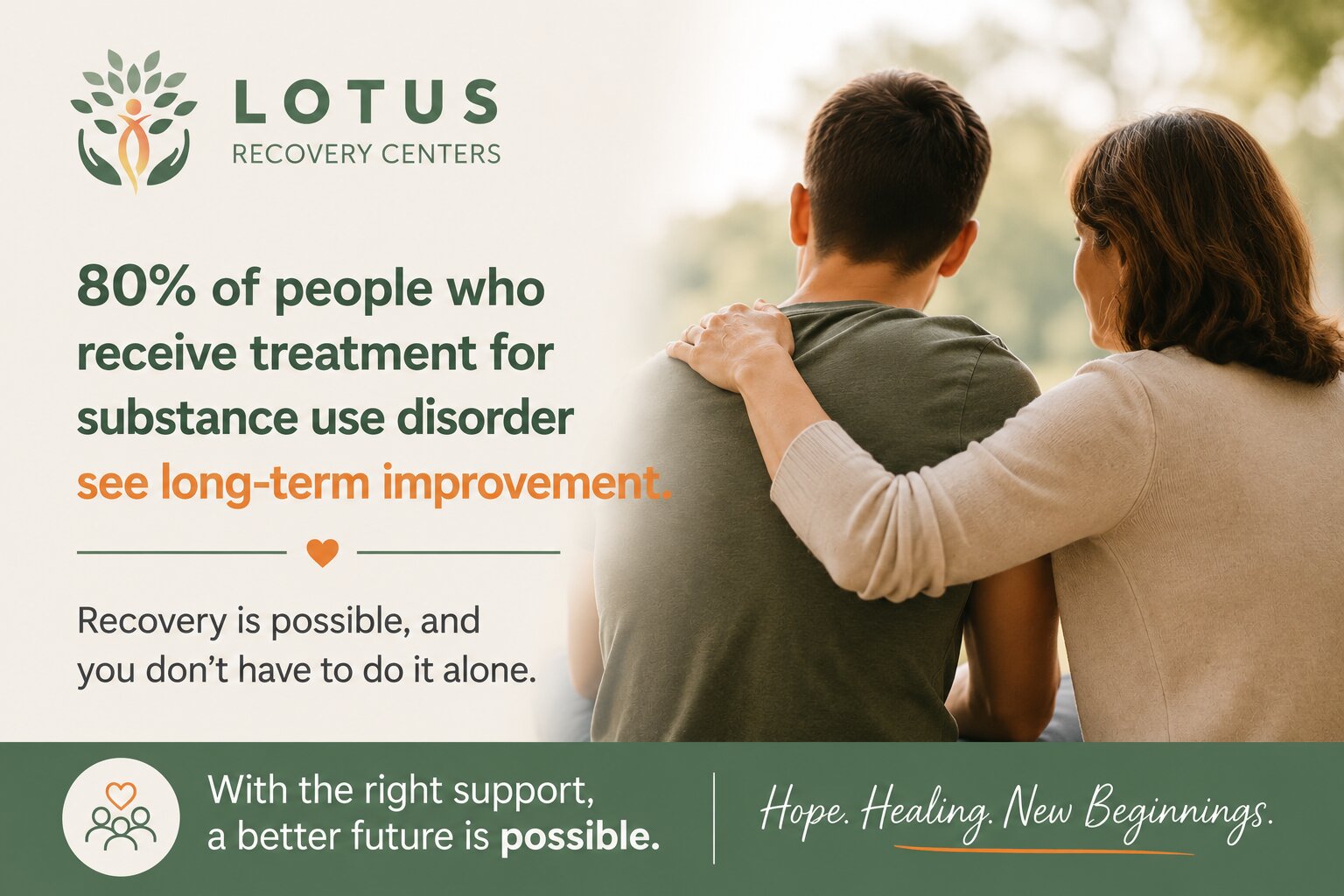
The earlier support begins, the more opportunities they may have to rebuild healthy habits, relationships, and confidence.
What Treatment Often Looks Like Today
One reason families hesitate is because they imagine treatment as an extreme measure.
They picture someone disappearing from everyday life for months.
That is not always the case.
Treatment exists on a spectrum.
Some individuals benefit from medical support while safely stopping alcohol or other substances.
Others participate in structured daytime care that allows them to focus on recovery while maintaining some connection to daily responsibilities.
Others benefit from multi-day weekly treatment combined with counseling and family support.
For families seeking options in the region, learning about available support in Delaware can provide clarity about what resources may be available.
Treatment is not about punishment.
It is about creating an environment where recovery has a chance to grow.
When Alcohol Is Part of the Problem
Alcohol creates unique challenges because it is legal, accessible, and socially accepted.
Many young adults minimize concerns by comparing themselves to friends.
Parents may do the same.
They tell themselves:
“Everyone drinks at that age.”
“College students do this.”
“It’s probably not that serious.”
Sometimes those statements are true.
Sometimes they aren’t.
What matters is not how much someone drinks compared to others.
What matters is the impact alcohol is having on their life.
When drinking contributes to emotional instability, risky decisions, declining performance, relationship problems, or repeated failed attempts to stop, professional support may be appropriate.
This is often when families begin researching terms such as alcohol detox Wilmington DE because they want to understand what safe and effective treatment options might look like.
Gathering information is not overreacting.
It is preparation.
What Parents Can Do Right Now
Many parents feel overwhelmed because they think they must solve everything immediately.
You don’t.
You simply need to take the next step.
That step may include:
- Having an honest conversation
- Consulting a treatment professional
- Learning about available treatment options
- Speaking with other supportive family members
- Creating healthy boundaries
- Encouraging an evaluation
Recovery rarely begins with a dramatic breakthrough.
More often, it begins with a single decision followed by another.
Small actions matter.
Small conversations matter.
Small moments of courage matter.
You Are Not Failing Because You Need Help
Parents often carry guilt that doesn’t belong to them.
They wonder what they missed.
They replay old decisions.
They search for a moment they could have handled differently.
While reflection can be useful, self-blame rarely helps.
Addiction affects families from every background.
It affects loving parents.
It affects attentive parents.
It affects families who did everything they knew how to do.
Needing professional support does not mean you failed.
It means the problem requires more than one person can solve alone.
And there is strength in recognizing that reality.
Moving From Hope to Action
Hope is important.
Families need hope.
Young adults need hope.
Recovery depends on hope.
But hope works best when paired with action.
If your instincts have been telling you that something needs to change, trust that feeling.
You do not need to wait for another crisis.
You do not need to wait for absolute certainty.
You do not need to wait until things become worse.
Sometimes the most loving thing a parent can do is stop waiting for tomorrow and begin exploring help today.
Your child is still here.
Recovery is still possible.
And support may be closer than you think.
Frequently Asked Questions
How do I know if my young adult needs treatment?
Look for patterns rather than isolated incidents. Increasing substance use, secrecy, declining responsibilities, relationship conflicts, and unsuccessful attempts to stop may indicate the need for professional evaluation.
What if my child refuses help?
This is common. You cannot force motivation, but you can set healthy boundaries, communicate concerns clearly, and seek professional guidance on how to approach the situation.
Is it better to wait until they ask for help?
Not necessarily. Many people enter treatment before they feel fully ready. Early conversations and professional assessments can create opportunities for change before problems worsen.
Can treatment help if this isn’t their first relapse?
Yes. Relapse does not mean treatment failed. Many people require multiple recovery attempts before achieving long-term stability. Each experience can provide valuable insight and skills.
Should I be worried if alcohol is the only substance involved?
Alcohol can cause significant physical, emotional, and behavioral consequences. If drinking is affecting health, safety, relationships, or daily functioning, professional support may be beneficial.
What should I say during the first conversation?
Focus on observations rather than accusations. Express concern, share specific examples, listen carefully, and avoid turning the discussion into an argument. The goal is connection, not winning a debate.
Can families participate in the recovery process?
Absolutely. Family involvement often improves outcomes. Education, counseling, and healthy communication can help families support recovery while also caring for their own well-being.
Call (833)922-1615 or visit our alcohol treatment program to learn more about our substance abuse treatment, alcohol treatment program services Delaware.