

You’re still showing up.
You answer emails.
You make deadlines.
You return calls.
You pay bills.
From the outside, your life looks organized. Functional. Maybe even successful.
But there’s a quiet exhaustion underneath it all.
The kind that doesn’t show up on a résumé.
A lot of people who eventually look into support options like multi-day weekly treatment say the same thing: nothing had completely fallen apart yet. They were still managing work, family, and responsibilities.
They were just… barely holding it together.
And that kind of pressure can last longer than people think — until one day it doesn’t.
The Life That Looks Fine on Paper
If you’re high-functioning, you’re probably used to people describing you with words like responsible, reliable, or driven.
You’re the one who solves problems.
The one people depend on.
The one who keeps things moving.
From the outside, your life might look completely stable.
You go to work.
You show up for family.
You keep commitments.
But inside, things may feel very different.
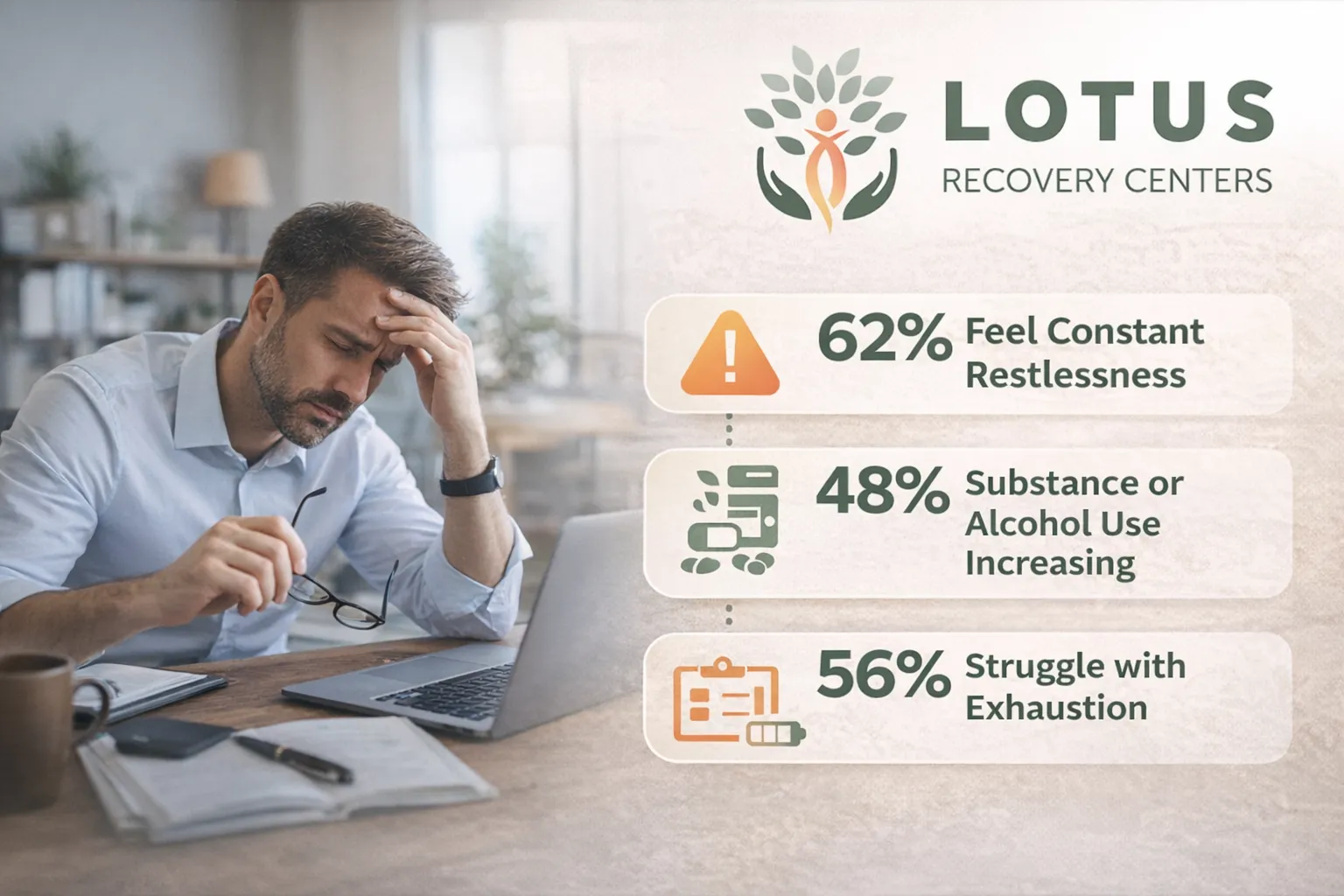
You might feel constantly tense, like your nervous system never fully shuts off.
You might notice the ways substances or coping habits have quietly increased over time.
You might feel like you’re managing everything — but never actually resting.
And the strangest part is this:
The more capable you appear, the easier it becomes for people to assume you’re fine.
When “I’m Fine” Becomes a Daily Performance
A lot of high-functioning people get very good at one thing: performance.
Not the kind on a stage.
The kind where you look calm and capable even when your mind is racing.
You learn to say things like:
“I’m just tired.”
“It’s been a long week.”
“I’m just stressed.”
Those explanations sound reasonable. They make sense to the people around you.
But inside, you might know the truth is a little more complicated.
Maybe alcohol or substances have become a way to slow your thoughts at night.
Maybe anxiety keeps your mind spinning long after everyone else goes to sleep.
Maybe you’ve started feeling disconnected from the things that once brought you joy.
Yet every morning, you still show up and handle your responsibilities.
And because you can keep performing, the pressure keeps building quietly.
The Myth of Rock Bottom
A lot of people delay getting support because they believe something dramatic has to happen first.
They imagine a rock bottom.
Losing a job.
Destroying relationships.
A moment so obvious that everyone agrees something must change.
But high-functioning people often don’t experience that kind of collapse.
Instead, they live in a gray area for years.
Life still works.
But it takes more and more effort to keep it working.
What often pushes people to explore support isn’t catastrophe.
It’s exhaustion.
The realization that maintaining the current pace is slowly draining everything out of them.
What It Feels Like When the Pressure Builds
When people describe the internal experience of holding everything together, the words are often similar.
They talk about:
Constant mental noise.
Feeling restless even when nothing is wrong.
Needing a drink or substance to quiet the mind.
Difficulty sleeping because thoughts won’t slow down.
Some say it feels like carrying a backpack filled with invisible bricks.
Every day adds another brick — work stress, family pressure, financial concerns, expectations.
From the outside, the backpack is invisible.
But the person carrying it feels the weight constantly.
Eventually the body starts pushing back.
Sleep suffers.
Energy drops.
Irritability grows.
And the question starts forming quietly:
“Is there another way to live besides pushing through this forever?”
What Support Actually Looked Like for People Like Us
One of the biggest misconceptions about treatment is that it requires disappearing from your life.
Many high-functioning people assume they would have to quit work, leave their responsibilities, or explain everything publicly.
That fear alone keeps people from exploring support.
But for many individuals who are still managing their daily lives, care can look very different than they imagined.
People continue working.
They maintain family responsibilities.
They attend sessions during scheduled times that fit into real life.
Instead of stepping out of life completely, they begin learning how to manage the pressure that has been building for years.
And often the biggest surprise is this:
The room is full of people who also look like they have their lives together.
The Room Full of People Who Thought They Were the Only One
Many people expect to feel out of place the first time they seek support.
They imagine being surrounded by people whose lives look completely different from their own.
But the reality often surprises them.
In those rooms are teachers, professionals, parents, college students, healthcare workers, and business owners.
People who maintained careers and relationships.
People who looked stable from the outside.
People who were simply tired of pretending everything was fine.
That moment — realizing you’re not the only one carrying this invisible pressure — can be incredibly powerful.
Because suddenly the shame begins to fade.
And honesty becomes possible.
Learning the Skill Nobody Ever Taught
High-functioning people are usually experts at pushing through discomfort.
They work harder when stressed.
They solve problems faster when pressure increases.
They ignore warning signs in order to keep moving forward.
That strategy works for a long time.
Until it stops working.
Eventually the body and mind demand something different.
Recovery often involves learning a skill many people were never taught growing up:
How to slow down before breaking.
This includes learning how to:
Recognize emotional signals before they escalate.
Develop healthier ways to manage stress.
Understand the role substances may have been playing in emotional regulation.
Build support systems that don’t rely on isolation.
For many people, these skills change not only their recovery but their entire relationship with stress.
The Moment Life Starts Feeling Lighter
Progress doesn’t usually arrive in dramatic waves.
More often it shows up in small moments.
Sleeping through the night for the first time in months.
Realizing your mind feels quieter during the day.
Laughing again without forcing it.
One person described it like this:
“It felt like someone finally turned down the volume in my head.”
Life didn’t suddenly become perfect.
Deadlines still existed.
Responsibilities didn’t disappear.
But the internal pressure eased enough that life felt manageable again.
And that shift can be life-changing.
The Truth About Asking for Help
High-functioning people often believe that asking for help means they failed.
But in reality, it usually means something very different.
It means they noticed the warning signs early enough to do something about them.
It means they care about their life enough to protect it before things collapse.
And it means they’re ready to stop carrying everything alone.
Sometimes strength looks like pushing through.
Other times it looks like admitting the weight has become too heavy to carry by yourself.
FAQs
Can someone get help even if their life hasn’t fallen apart?
Yes. Many people seek support while still maintaining careers, relationships, and daily responsibilities.
In fact, addressing challenges earlier often prevents more serious consequences later.
Is it common for high-functioning people to struggle privately?
Very common.
High-functioning individuals often hide emotional struggles because they feel responsible for maintaining stability for others.
This can make it harder for people around them to recognize how much pressure they’re experiencing.
Will seeking support affect someone’s career?
Many treatment options are designed to fit around work schedules.
People often continue their professional responsibilities while receiving structured support.
What if someone feels embarrassed about asking for help?
Feeling embarrassed or hesitant is normal.
But many people discover that the individuals around them share similar experiences.
Recognizing that others understand the pressure can reduce shame significantly.
How do people know when it’s time to seek support?
Some common signals include constant stress, difficulty relaxing, increased reliance on substances, sleep problems, or feeling emotionally exhausted despite outward success.
When daily life starts feeling like a constant effort to stay afloat, it may be time to explore additional support.
Can life really feel different after getting help?
Yes.
Many people report improvements in sleep, stress management, relationships, and overall emotional stability.
The goal isn’t perfection — it’s learning how to live without carrying constant invisible pressure.
If you’re looking for care in Delaware, compassionate support is available for people who are still managing their lives but feeling the strain underneath.
Call (833)922-1615 or explore our multi-day weekly treatment options in Wilmington, Delaware to learn more.