
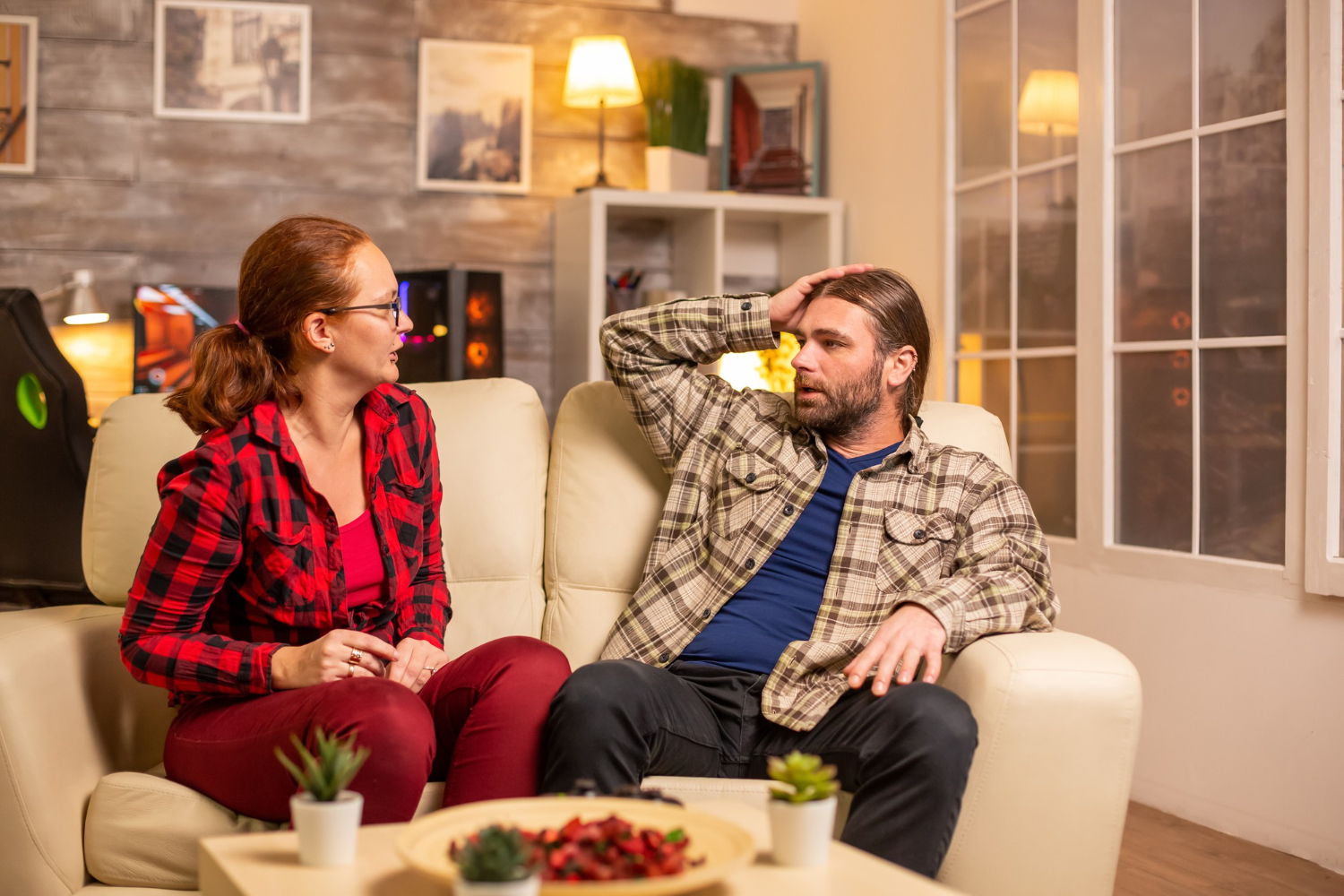
For a while, I thought I had something special. Ninety-three days sober. I’d made it past the worst, right? The meetings, the shakes, the grief of feeling everything again—I got through it. I started to believe I was one of the lucky ones.
But addiction is patient. It doesn’t crash through your door in daylight. It whispers at midnight when your guard’s down.
So, when I relapsed, I didn’t just feel disappointed. I felt exposed. And the idea of medication-assisted treatment? It felt like waving a white flag. Like saying I’d failed.
Back then, MAT sounded like cheating. Now? I see it as the tool that saved my life.
I Believed Real Recovery Meant White-Knuckling Through
I came into recovery with a chip on my shoulder and a backpack full of shame.
I wanted to do it “right.” No meds. No shortcuts. Just grit, meetings, and willpower. I told myself I didn’t need crutches. I just needed to be stronger. That mindset got me 93 days. And then it got me drunk.
Because here’s the truth: white-knuckling is not strength. It’s survival. And survival is not sustainable.
My Relapse Wasn’t Dramatic—It Was Familiar
People imagine relapse as this big blowout. Mine was boring. Lonely. Quiet.
One drink. Then two. Then waking up three days later wondering if it even counted as “sober time lost” because I didn’t go all in. But I knew.
I knew I had crossed a line. Not just with the alcohol—but with myself. I was exhausted, ashamed, and too proud to say I needed help again. So I pretended it didn’t happen. And I slipped further.
When Someone Mentioned MAT, I Brushed It Off
“You might want to consider medication-assisted treatment,” someone said during a check-in group.
I remember the heat in my chest. I felt judged. Like they were saying I couldn’t handle it. That I wasn’t really in recovery anymore.
I smiled politely, nodded, and thought, Hell no.
I didn’t want to be that guy. The one who needed meds. I thought MAT meant giving up.
But over the next few weeks, I couldn’t get that suggestion out of my head.
The Cravings Got Loud Enough to Listen
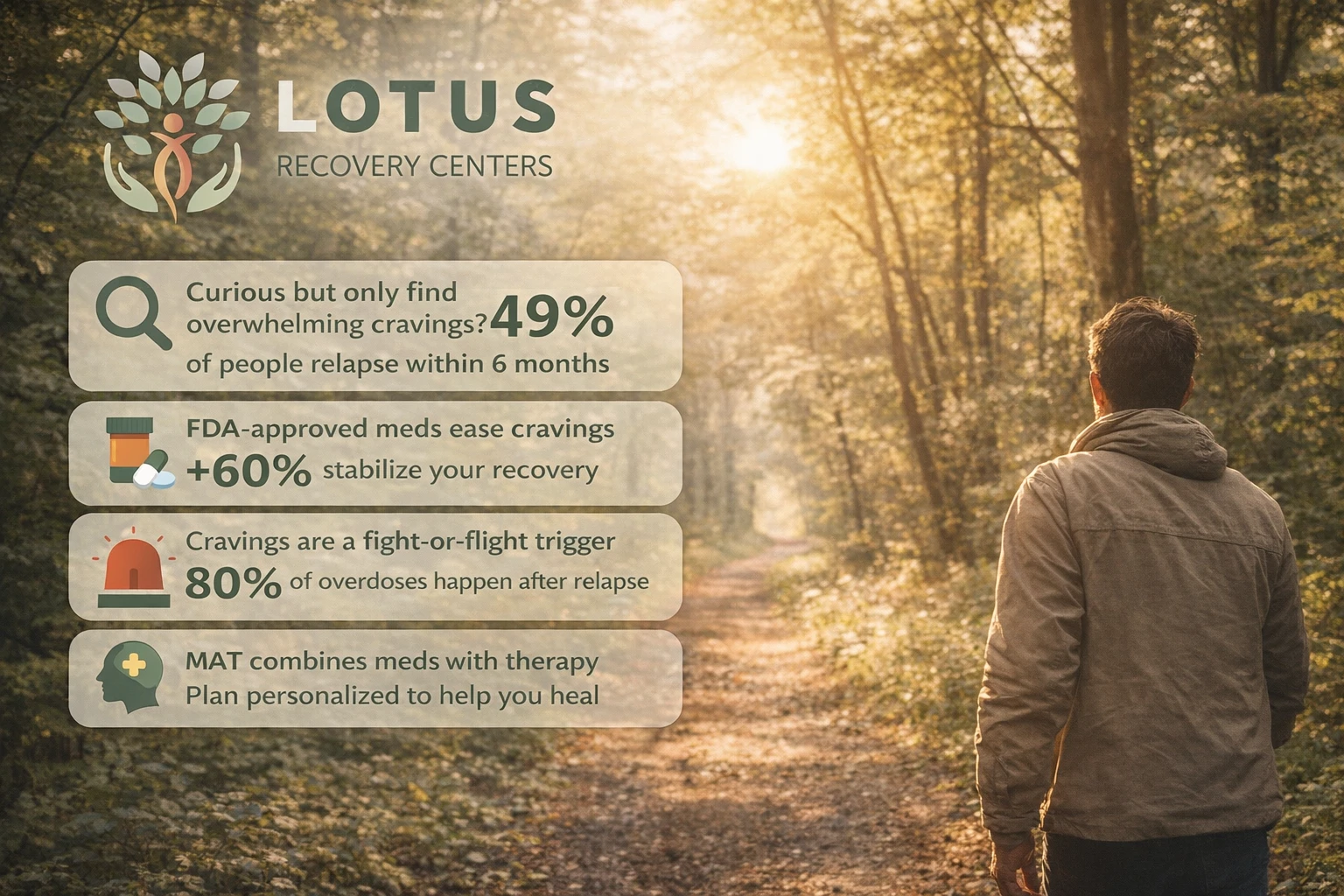
It wasn’t until I started waking up shaking again that I admitted something wasn’t working. I wasn’t bingeing, but I was spiraling. The cravings were back—and stronger than before.
Worse, I was sober enough to know better, but not stable enough to do better.
So I made a quiet appointment. No announcements. No social media post. Just me and a doctor who treated me like a person, not a statistic.
They explained how MAT could help: how Suboxone eases cravings, how Vivitrol blocks the high, how medications could create a calm in my system—long enough for me to think again.
I cried in that office. Not because I felt weak, but because I finally felt seen.
I Was Afraid of Losing My Identity—But I Found Myself Again
The first few days on medication were…strange. Not because of side effects, but because I didn’t feel panicked.
I wasn’t craving. I wasn’t scanning the room for exits. I wasn’t checking the clock to see when I could go hide.
I was just…present.
It felt unnatural at first. Like I was cheating the system. But then I realized—maybe this was the system. The one designed for people like me, who needed more than willpower to stay grounded.
I didn’t lose my recovery. I gained the clarity to protect it.
I Had to Redefine What “Sober” Meant
Sobriety used to be this rigid goalpost: no substances, no exceptions, no excuses.
But medication-assisted treatment forced me to ask: Is this about perfection—or peace?
Today, I define sober as being free from the grip of substance use. And MAT helps me get there—not by numbing me, but by giving me enough stability to build something real.
MAT doesn’t take away my work. I still go to meetings. Still show up for therapy. Still do the damn work. But I’m doing it with support now—instead of spite.
The Shame Nearly Kept Me Sick
For weeks, I didn’t tell anyone I was on MAT. I thought they’d say I cheated. I thought they’d kick me out of recovery circles. I thought it made me less than.
But then someone in group mentioned they’d been on Suboxone for 18 months—and I saw how stable, grounded, and full of life they were.
So I raised my hand. I shared. I braced for judgment.
Instead, someone whispered, “Me too.”
Turns out, there were more of us than I realized. We’d just been hiding in the open.
Lotus Was the First Place I Didn’t Have to Pretend
At Lotus Recovery Centers, I never felt like I had to explain why MAT made sense for me. They already understood.
I wasn’t treated like a failure or a cautionary tale. I was treated like someone who wanted to stay alive—and was willing to try something different to get there.
Their approach to medication-assisted treatment wasn’t clinical. It was compassionate. And if you’re looking for support in Delaware, they get it. They really do.
My Recovery Isn’t Flashy—But It’s Mine
I don’t count days anymore. I count mornings I wake up clear. Conversations I remember. Boundaries I keep. Dinners I enjoy without secretly wondering how fast I can leave.
That’s recovery. Even if it doesn’t fit someone else’s Instagram version.
If you’re in the space between relapse and re-entry, if you’re scared that trying MAT means you’ve failed, hear this:
You’re not starting over. You’re building smarter. And that takes guts.
Real Words from People Like Me
“I was terrified of telling my sponsor I was on Suboxone. But when I finally did, he hugged me and said, ‘Whatever keeps you here.’”
— Alumni, 9 months on MAT
“MAT didn’t make me lazy. It gave me the space to finally get honest—with myself and with my people.”
— Lotus Client, 2023
“I thought relapse meant I blew it. MAT helped me realize I just needed a different kind of help this time.”
— Peer Recovery Participant, Delaware
FAQs About Medication-Assisted Treatment (MAT)
Isn’t MAT just replacing one drug with another?
No. MAT uses medication to stabilize the brain and body, not create a high. It supports recovery—not numbs it. When combined with therapy, it’s one of the most effective evidence-based tools available.
Will I feel high or different on MAT?
No. Most MAT medications do not produce euphoria when used as prescribed. You’ll feel more like yourself—less distracted by cravings and more mentally clear.
How long do people stay on MAT?
It varies. Some people use MAT short-term, others stay on longer. At Lotus, there’s no one-size-fits-all plan. Your provider will work with you to find what makes sense for your recovery.
What if my recovery group doesn’t support MAT?
You’re not alone. Some groups are still learning. Others may not fully understand. But there are many recovery communities that do support MAT—and we can help you find them.
Can I be on MAT and still go to meetings?
Absolutely. Many people on MAT are active in 12-step and other support groups. Your recovery is yours—you get to define it, not anyone else.
Recovery isn’t about who suffers most—it’s about who stays.
Call (833)922-1615 to learn more about our medication-assisted treatment in Wilmington, DE.