

Most high-functioning people don’t walk into treatment because their life completely fell apart.
They walk in because they’re tired.
Tired of managing anxiety with alcohol. Tired of promising themselves they’ll cut back next week. Tired of waking up at 3am with a racing heart while still somehow making it to work by 8. Tired of performing stability while privately feeling like everything is getting harder to carry.
From the outside, they still look successful.
That’s what makes it so lonely.
I’ve worked with people who managed teams, raised families, paid mortgages, and never missed a deadline — all while quietly depending on substances to get through the day or shut their brain off at night. Many of them delayed treatment for years because they believed getting help meant disappearing from their responsibilities completely.
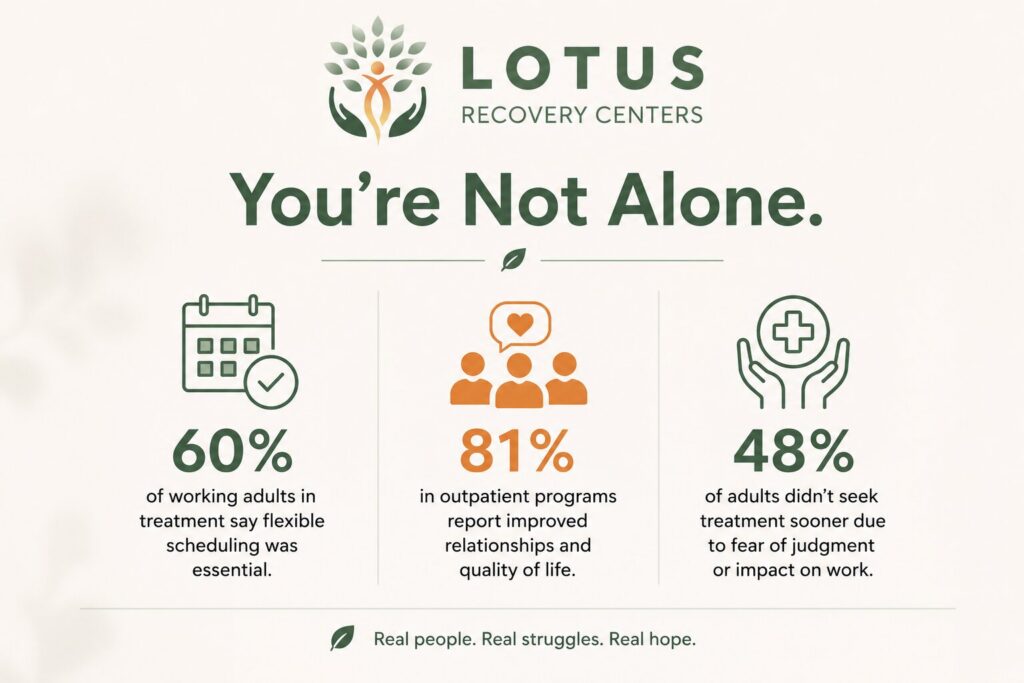
For a lot of working adults, that fear is the biggest barrier.
The good news is that recovery support does not always require stepping away from your entire life. Programs like Lotus Recovery Centers’ intensive outpatient care are designed to help people receive structured support while continuing to live at home and, in many cases, continue working.
And for individuals searching for information about Medicaid intensive outpatient Delaware coverage, there may be treatment options available that feel more accessible than expected.
High-Functioning Doesn’t Mean Healthy
One of the hardest truths for high-functioning adults to accept is this:
You can be productive and still be struggling badly.
People often imagine addiction as obvious chaos. They picture someone unable to keep a job or manage responsibilities. But many people maintain careers and routines for years while privately dealing with emotional exhaustion, dependency, anxiety, depression, or increasing alcohol and drug use.
That’s part of what makes high-functioning addiction so difficult to identify.
You may still be:
- Showing up to work every day
- Taking care of your kids
- Paying bills on time
- Exercising regularly
- Managing social obligations
- Looking “fine” to everyone else
Meanwhile, internally, things feel different.
You might be planning your evenings around drinking. Counting pills. Feeling panic if alcohol isn’t available. Losing patience faster. Becoming emotionally distant. Struggling to sleep without substances. Waking up already overwhelmed before the day even begins.
Many people minimize this because their life still appears intact.
But functioning is not the same thing as peace.
Sometimes people are holding everything together with sheer exhaustion.
Why So Many Working Adults Avoid Treatment
A lot of professionals are terrified that treatment will ruin their reputation or career.
They worry about:
- Missing work
- Explaining absences
- Losing income
- Being judged
- Falling behind professionally
- Coworkers finding out
- Looking “weak”
Some people also carry a very specific fear:
“If I stop using, I won’t be able to keep up.”
That fear is real. Especially for people who have spent years using alcohol or substances to manage stress, socialize, sleep, or stay emotionally numb enough to function.
Many high-achieving people aren’t using because they’re reckless. They’re using because they’re overwhelmed.
At some point, substances stop feeling recreational and start feeling necessary.
That’s usually the moment where people quietly begin searching things like:
- “Can I still work during treatment?”
- “Will Medicaid cover outpatient rehab?”
- “Do I have to go away for 30 days?”
- “Can I get help without everyone knowing?”
Those searches often happen late at night after another exhausting day of pretending everything is okay.
Treatment Doesn’t Always Mean Pressing Pause on Your Entire Life
One of the biggest misconceptions about addiction treatment is that every person needs round-the-clock residential care.
For some people, live-in treatment is absolutely necessary and lifesaving. But others benefit from structured outpatient support that allows them to continue working and living at home while receiving care multiple days per week.
That flexibility matters.
A lot of people actually engage more honestly in treatment when they can immediately apply what they’re learning to real life. They’re navigating work stress, relationships, triggers, and routines while still connected to clinical support throughout the week.
This creates space for real-world recovery instead of temporary isolation from life.
For many professionals, multi-day weekly treatment can include:
- Group therapy
- Individual counseling
- Relapse prevention support
- Mental health care
- Coping skill development
- Accountability and structure
- Flexible scheduling options
The goal is not to remove your identity or independence.
The goal is to help you stop surviving in secret.
The Hidden Cost of “Holding It Together”
People often underestimate how much energy addiction takes.
Not just physically. Mentally.
There’s the constant self-monitoring:
- “Do I seem off?”
- “Can people tell?”
- “How much did I drink last night?”
- “Can I get through today?”
- “I need to cut back.”
- “I’ll stop after this weekend.”
That internal conversation is exhausting.
One client once told me:
“I thought I was functioning because I kept showing up. I didn’t realize how much of my life was spent recovering just enough to keep performing.”
That sentence stays with me.
Because many high-functioning people are not actually living. They’re maintaining.
And maintenance eventually becomes unsustainable.
What surprises many clients is that work performance often improves once recovery support begins. Not overnight. Not perfectly. But gradually.
People begin sleeping better. Thinking more clearly. Reacting less impulsively. Feeling emotionally present again.
They stop spending so much energy hiding.
That alone can feel life-changing.
Understanding Medicaid Coverage in Delaware
Insurance concerns prevent many people from reaching out for help.
Some assume they won’t qualify. Others assume outpatient addiction treatment is too expensive. Many people simply feel embarrassed asking questions about Medicaid or behavioral health coverage.
But asking questions is part of taking care of yourself.
In Delaware, Medicaid may help cover outpatient addiction treatment services depending on:
- Clinical need
- Eligibility
- Provider participation
- Assessment recommendations
- Individual plan details
For individuals researching Medicaid intensive outpatient Delaware services, speaking directly with a treatment center can often provide more clarity than trying to figure everything out alone online.
Admissions teams can usually help verify benefits and explain:
- What services may be covered
- Scheduling options
- Intake expectations
- Program recommendations
- Next steps
You do not need to have every answer before making a phone call.
You just need enough willingness to ask one honest question.
Recovery Often Starts Smaller Than People Expect
Many people think entering treatment has to come after a major disaster.
But some of the healthiest recovery decisions happen before everything collapses.
Sometimes recovery begins with:
- Being tired of hiding
- Feeling emotionally absent from your own life
- Realizing alcohol has become your only coping tool
- Noticing you’re losing yourself
- Feeling afraid of who you’re becoming in private
That matters.
You do not need to “earn” help by suffering publicly first.
One of the most damaging myths about addiction is the belief that someone has to completely fall apart before they deserve support.
That simply is not true.
If your relationship with alcohol or substances is making your life smaller, harder, lonelier, or more exhausting than it needs to be, that’s enough reason to talk to someone.
The Strongest People Are Usually the Ones Carrying the Most
High-functioning addiction often hides behind competence.
People praise you for always showing up. For handling pressure. For staying dependable.
Meanwhile, you may feel like you’re slowly disappearing underneath the version of yourself everyone else sees.
Recovery is not about becoming a different person.
In many cases, it’s about finally getting enough support to stop performing survival every day.
That’s why treatment can feel surprisingly relieving once people begin.
Not easy. But relieving.
Because for the first time in a long time, they no longer have to carry everything alone.
If you’ve been quietly searching for answers about balancing work, insurance, and recovery, there’s a good chance some part of you already knows you’re tired of doing this by yourself.
That part deserves attention.
And it deserves care.
Frequently Asked Questions
Can you work while attending an outpatient addiction program?
Yes, many people continue working while attending outpatient treatment. Scheduling often includes daytime or evening options designed to fit around professional and family responsibilities.
Does Medicaid cover outpatient addiction treatment in Delaware?
Medicaid may help cover outpatient addiction treatment services in Delaware depending on eligibility, medical necessity, and provider participation. Coverage details vary, so it’s important to verify benefits directly with the treatment center.
Will my employer know I’m in treatment?
Privacy laws protect medical and behavioral health information. Many people attend treatment without sharing details with employers unless they choose to disclose them.
Is outpatient care effective for high-functioning adults?
For many individuals, yes. Structured outpatient care can help people address substance use while remaining connected to daily responsibilities, routines, and support systems.
What if I’m not sure my drinking or substance use is “bad enough”?
You do not need to wait for a crisis to ask for help. Many people seek support because they feel emotionally exhausted, dependent on substances to cope, or disconnected from themselves long before major external consequences appear.
How do I know whether I need more support than outpatient care?
A clinical assessment can help determine the appropriate level of care. Some people benefit from outpatient treatment, while others may need more structured support depending on safety, mental health needs, and substance use severity.
For people exploring treatment options in Delaware, finding care that works alongside real life can make recovery feel more realistic and less overwhelming.
Call (833)922-1615 or visit the Lotus Recovery Centers intensive outpatient program to learn more about our programs, iop services in Delaware.