

Sometimes the conversation starts quietly.
A parent notices their child staying up later than usual. The grades are still good. They still show up for practice. Teachers still say positive things. From the outside, everything looks steady.
But something feels different at home.
Your child seems more tense. Small problems trigger big reactions. The pressure in the house feels constant, even when nothing dramatic is happening.
When you ask if they’re okay, the answer is usually simple.
“I’m just stressed.”
Many families who later explore structured support like multi-day weekly treatment say the same thing: the early signs didn’t look like a crisis. They looked like stress that never seemed to turn off.
And that’s where the confusion often begins.
When “I’m Just Stressed” Becomes the Default Answer
Stress is normal. Everyone experiences it.
School deadlines, friendships, sports, and family expectations all create pressure at times. Most teens move through those waves and eventually settle again.
But some teens start using the word stress as a catch-all for feelings they can’t fully explain.
You might hear it repeatedly:
“I’m stressed about school.”
“I’m stressed about practice.”
“I’m stressed about everything.”
At first it sounds reasonable. Life is busy.
But parents often notice something deeper happening beneath that word.
The tension never really fades. The stress doesn’t disappear when the event ends. Instead, it spreads into every part of their child’s life.
And slowly, what looked like stress begins to feel more like constant anxiety.
High-Functioning Kids Are Often the Hardest to Read
One of the challenges parents face is that anxious kids are not always the ones falling apart.
Often they’re the opposite.
They’re the dependable ones.
The high achievers.
The ones teachers praise for their responsibility.
They still turn in assignments. They still meet expectations. They still appear capable.
But inside, the pressure can be enormous.
High-functioning teens sometimes carry an invisible rule: don’t let anyone see you struggle.
So instead of showing distress openly, they push harder. They try to manage everything perfectly.
From the outside it looks like discipline.
From the inside it can feel like running on a treadmill that never stops.
The Story Parents Tell Us Again and Again
A parent once described their son this way:
“He was the kid everyone relied on.”
Great student. Involved in clubs. The friend who helped everyone else with homework.
At home, though, he seemed restless. He stayed up late rechecking assignments. If he got a B instead of an A, it ruined his entire evening.
When his parents asked how he was feeling, he shrugged.
“I’m just stressed.”
Eventually the stress began showing up in physical ways. Stomachaches before school. Trouble sleeping. Panic before exams that once felt manageable.
Nothing about his life looked chaotic.
But internally, he was carrying more pressure than he knew how to release.
Once he found a place where he could talk openly and learn tools for managing anxiety, something shifted.
The same kid who looked strong all the time finally had space to exhale.
The Quiet Signs Parents Often Notice First
Anxiety in high-functioning teens rarely announces itself loudly.
It appears in subtle ways.
Parents often describe noticing small changes over time, such as:
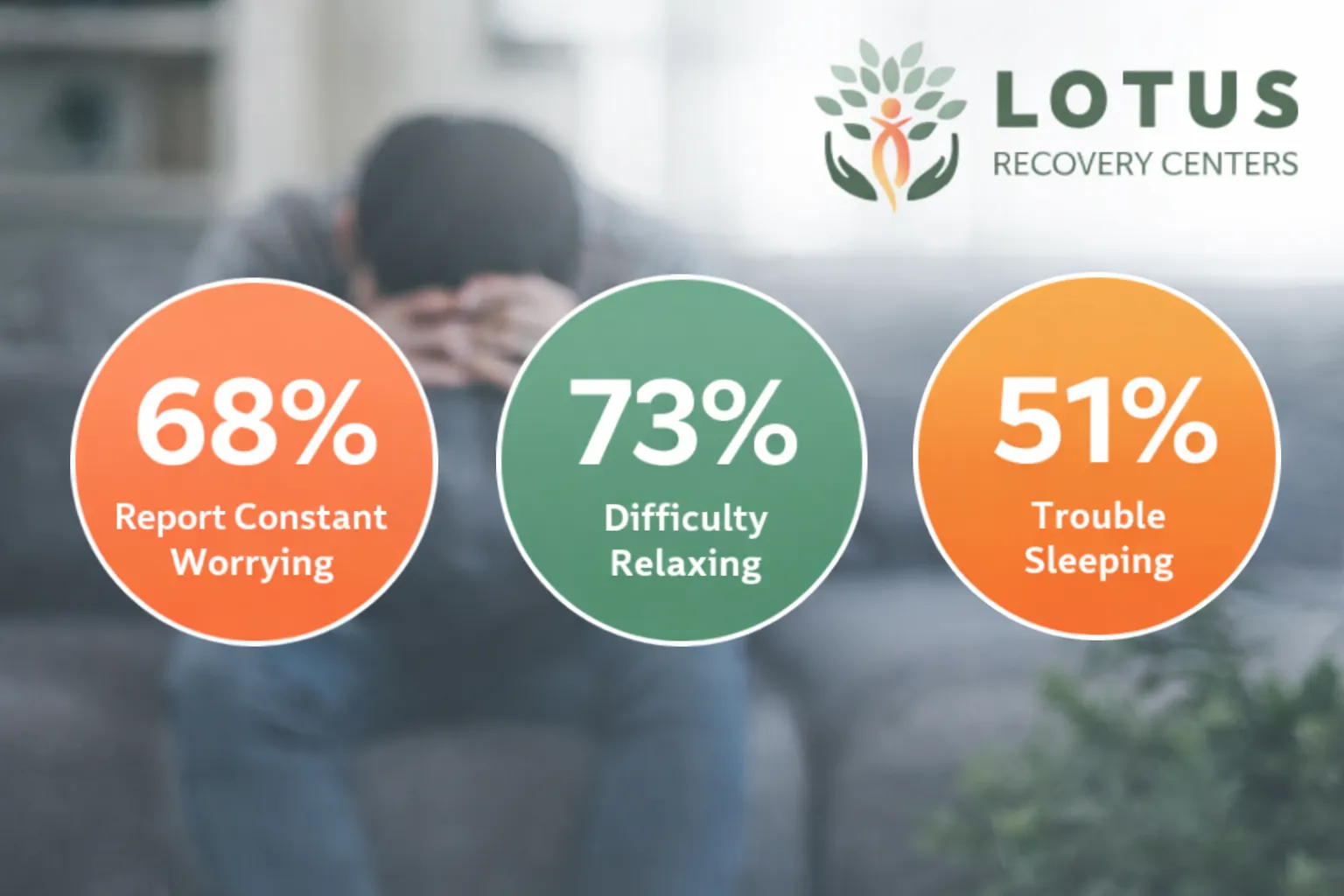
- Constant worrying about mistakes
- Irritability or emotional outbursts that seem unusual
- Difficulty relaxing even during downtime
- Perfectionism that becomes overwhelming
- Avoiding activities they previously enjoyed
- Trouble sleeping or shutting their mind off at night
Individually, these behaviors may not seem alarming.
But when they happen consistently, they can signal that the pressure inside your child’s mind is building faster than they can manage it.
And many teens don’t have the language to explain that experience.
So they call it stress.
When Pressure Becomes Part of Their Identity
Some teens begin to believe that constant pressure is simply the price of being successful.
They think:
“If I stop pushing myself, everything will fall apart.”
That belief can create a cycle.
The harder they push, the more anxious they become.
The more anxious they become, the harder they push.
Over time, stress stops being temporary and starts becoming their normal emotional state.
Parents sometimes notice their child struggling to enjoy anything without feeling like they should be doing something more productive.
Relaxation starts to feel uncomfortable.
Even rest begins to feel like failure.
Why Support Can Change Everything
Many families hesitate to seek help because their child appears to be functioning well.
They may think:
“Maybe this is just part of growing up.”
Sometimes it is.
But sometimes early support changes the trajectory of a young person’s life in powerful ways.
When teens enter environments that provide consistent emotional support and coping tools, something important happens.
They learn that anxiety is not something they simply have to endure.
They learn how to:
- recognize anxious thought patterns
- regulate their nervous system
- manage expectations more realistically
- communicate when they feel overwhelmed
For many teens, this is the first time they realize their internal experience has a name — and that it can be managed.
A Moment Parents Often Remember
Parents frequently recall a turning point months after their child receives support.
It might be something simple.
A child sleeping through the night again.
A car ride home where conversation feels relaxed instead of tense.
Or a quiet moment where their child says something unexpected:
“I didn’t realize how anxious I was until it started getting better.”
Those moments can feel powerful.
Not because everything suddenly becomes perfect, but because families see their child reconnecting with parts of themselves that anxiety had slowly crowded out.
Trusting the Instinct That Something Feels Off
Parents often sense something before they can explain it.
Even when grades are good.
Even when teachers aren’t concerned.
Even when life appears stable.
That quiet instinct matters.
Seeking support doesn’t mean assuming the worst.
Sometimes it simply means giving your child tools earlier rather than waiting until the pressure becomes overwhelming.
And many teens feel relieved when someone recognizes how much they’ve been carrying alone.
Recovery Isn’t Only About Crisis
There’s a common myth that support is only necessary when things fall apart.
But many young people benefit from help long before a crisis appears.
Early support can prevent anxiety from growing into deeper struggles later.
It can teach coping strategies that last for years.
And it can show teens that strength isn’t about handling everything alone.
Sometimes strength looks like learning how to ask for help.
FAQs
How can parents tell if their child’s stress might actually be anxiety?
Stress usually connects to specific events and fades afterward. Anxiety tends to linger even when the stressful event has passed.
If your child seems constantly tense, worried, or overwhelmed despite things going well on the surface, anxiety may be involved.
What age does anxiety usually start showing up in teens?
Anxiety can appear at many different stages, but many teens begin experiencing stronger symptoms during middle school or high school as academic and social pressures increase.
Early awareness can help prevent anxiety from becoming more severe later.
What if my child insists they’re fine?
Many high-functioning teens minimize their struggles because they don’t want to worry their parents.
Instead of pushing them to admit something is wrong, it often helps to create open conversations about stress and emotional health in general.
Sometimes outside support helps teens express things they struggle to say at home.
Is anxiety common among high-achieving teens?
Yes. In fact, some of the most driven students experience significant anxiety because they place enormous expectations on themselves.
Their ability to function well can sometimes hide how overwhelmed they feel internally.
How do parents start the conversation about getting help?
Approaching the conversation with curiosity rather than concern can help.
Instead of saying, “You need help,” it might sound like:
“I’ve noticed you seem under a lot of pressure lately. Would it help to talk to someone about it?”
This approach keeps the focus on support rather than judgment.
Can anxiety improve with the right support?
Yes. With the right tools and environment, many teens learn how to manage anxiety effectively.
They develop skills that help them navigate stress, relationships, and expectations in healthier ways.
These skills can benefit them for the rest of their lives.
If you’re exploring support in Delaware for a teen or young adult who feels constantly overwhelmed, compassionate care is available.
Call (833)922-1615 or explore our multi-day weekly treatment options in Wilmington, Delaware to learn more.