

Sometimes the fear isn’t about quitting.
It’s about who you might become afterward.
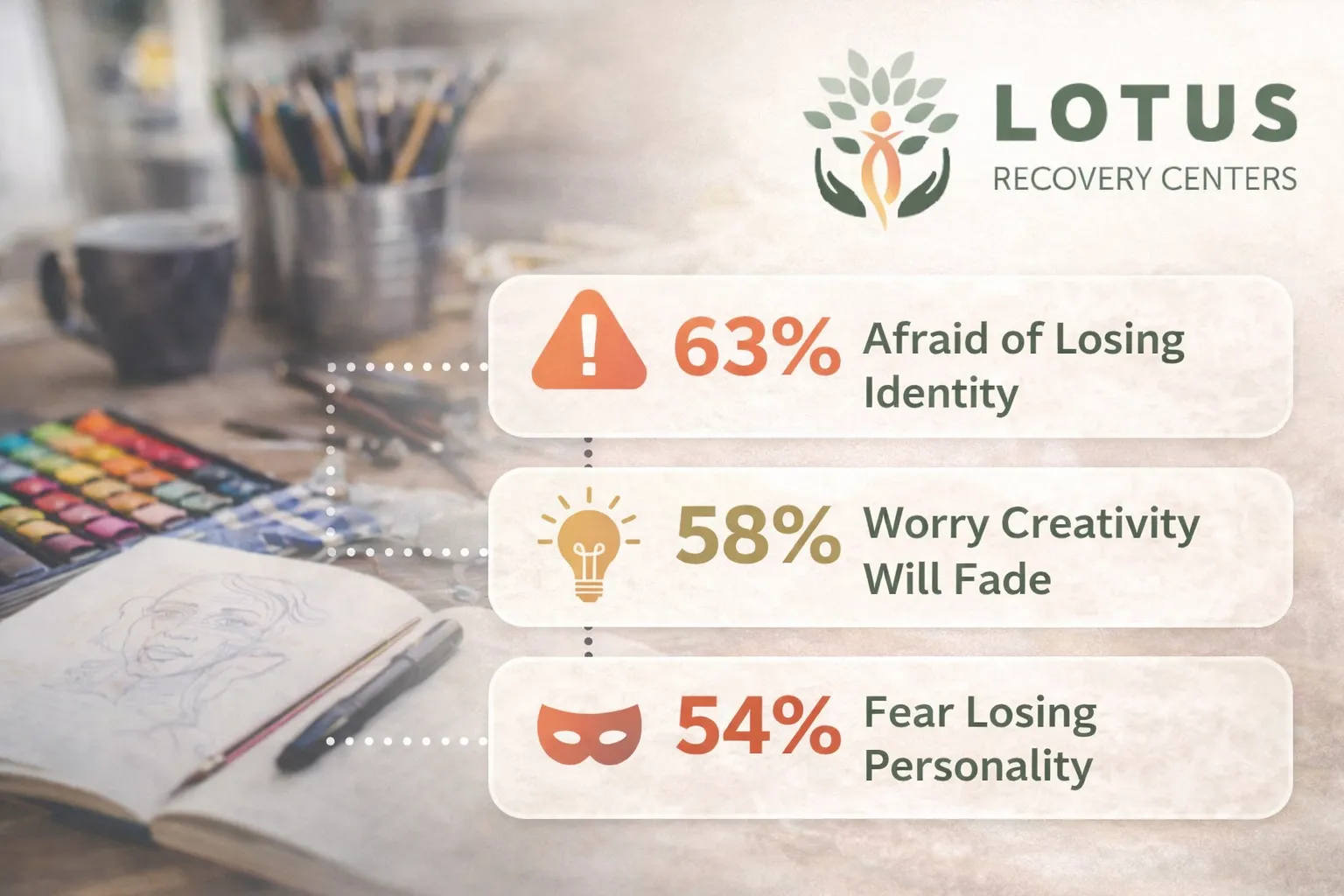
People say things like, “I’m scared to stop because I won’t recognize myself.” Or, “What if the parts of me that make me… me disappear?”
For creative, emotionally intense, identity-driven people, that fear is real.
Many people who eventually explore options like medication-supported recovery care arrive carrying that exact question:
“If I get better, will I lose the person I am?”
It’s not a shallow fear. It’s a deeply human one.
Because when substances have been woven into your emotional life for years, it can feel like they’re part of your identity — not just a habit.
But here’s the quiet truth many people discover in recovery:
You’re not rebuilding someone new.
You’re uncovering the version of yourself that was there before survival took over.
The Creative Mind Often Fears Being Flattened
Creative people tend to experience life intensely.
Ideas arrive quickly.
Emotions run deep.
Connections feel meaningful and electric.
That intensity can be beautiful.
It can also be overwhelming.
Many artists, writers, musicians, designers, entrepreneurs, and deep thinkers describe their minds as loud places to live.
Substances sometimes enter that environment as a form of relief.
They quiet the racing thoughts.
They soften anxiety.
They unlock social confidence.
At first, it feels like they enhance creativity.
Like they open a door that was otherwise difficult to push through.
But slowly, something subtle begins to happen.
The thing that once opened doors begins deciding when you’re allowed to walk through them.
When the Tool Quietly Becomes the Boss
Substances often begin as tools.
They help you relax after a long day.
They make social situations easier.
They reduce the emotional volume in your mind.
But over time, the relationship can shift.
Instead of choosing when to use them, you begin needing them.
To sleep.
To relax.
To focus.
To create.
Eventually the substance becomes part of the operating system.
And the person you are starts adapting around it.
Many people don’t notice this shift at first.
Because life still looks functional.
You’re still creative.
Still productive.
Still interesting.
But the emotional freedom that once fueled those qualities slowly narrows.
And that’s often the moment when people begin wondering whether support might help.
The Fear of Becoming Boring
There’s another fear that people rarely say out loud.
“What if sobriety makes me boring?”
Creative people often associate their emotional depth with unpredictability.
The late-night inspiration.
The wild ideas.
The intense conversations.
It’s easy to assume those experiences disappear when substances leave the picture.
But what many people discover is something different.
Recovery doesn’t erase intensity.
It removes chaos.
The emotional highs and lows that once felt creative often turn out to be exhausting.
Once stability returns, creativity becomes more sustainable.
Ideas still come.
But they arrive without the crash afterward.
What Stability Actually Feels Like
Before treatment, many people imagine recovery as a kind of emotional flattening.
They imagine waking up every day feeling dull and disconnected.
But the experience most people report is almost the opposite.
Things become clearer.
Sleep improves.
Thoughts slow down enough to follow.
Conversations feel more present.
Instead of constantly managing emotional swings, people begin experiencing steadiness.
And steadiness doesn’t eliminate personality.
It gives personality a place to exist without constant crisis.
One person described it this way:
“For the first time in years, I could hear my own thoughts without everything screaming at once.”
The Parts of You That Return
When substances slowly step out of the center of your life, something interesting happens.
The parts of you that existed before the chaos begin to reappear.
You might reconnect with music you loved.
Writing might start feeling natural again.
You might laugh more easily with friends.
The identity you were afraid of losing turns out to still be there.
It was just buried under survival.
Recovery doesn’t replace who you are.
It removes the noise that made it difficult to hear yourself.
A Story We Hear Often
Someone once shared something simple but powerful during treatment.
They said:
“I thought sobriety would take away my spark.”
They were a designer who relied heavily on late nights and substances to fuel creativity.
When they first began treatment, they were convinced their work would suffer.
Instead, something unexpected happened.
Their ideas became more consistent.
Their focus improved.
And the emotional burnout that once followed creative bursts began to disappear.
For the first time in years, they could create without collapsing afterward.
What they thought was their spark turned out to be something else entirely.
It was clarity.
Identity Is Bigger Than Substance Use
One of the biggest lies addiction tells people is this:
“You won’t be yourself without me.”
But identity is far more complex than a single coping mechanism.
You are shaped by:
Your curiosity.
Your relationships.
Your humor.
Your perspective on the world.
Those qualities don’t vanish when substances leave.
If anything, they become easier to access.
Because they’re no longer competing with the emotional chaos that substance use often creates.
Recovery doesn’t erase identity.
It protects it.
Rebuilding Without Replacing
One of the reasons many people feel safe exploring medication-supported recovery is that the process focuses on stability rather than punishment.
The goal isn’t to strip away who you are.
The goal is to help your mind and body regain balance.
That balance allows people to reconnect with the things that matter most to them.
Creative work.
Meaningful relationships.
Personal growth.
Instead of constantly surviving the next emotional crash, people begin building a life that supports their identity.
Not replaces it.
The Moment People Realize They’re Still Themselves
There’s usually a moment when someone realizes the fear wasn’t accurate.
Maybe they’re listening to music and feel that familiar emotional connection again.
Maybe they write something honest for the first time in months.
Maybe they laugh with friends and realize they didn’t need anything to feel comfortable.
And the thought arrives quietly:
“I’m still me.”
Just steadier.
Just clearer.
Just more able to show up for the life they care about.
FAQs
Will treatment change who I am as a person?
Recovery doesn’t remove personality traits like creativity, humor, or emotional depth.
Many people find that once substances are no longer controlling their emotional state, they feel more like themselves than they have in years.
What if substances helped my creativity?
Some people feel substances unlock creative thinking in the short term.
However, long-term substance use often disrupts focus, emotional balance, and energy — all of which can affect creativity.
Many individuals report more consistent creative output once their mind and body stabilize.
Will I feel emotionally numb during recovery?
Most people do not experience emotional numbness.
Instead, they often feel greater emotional clarity and stability as their body adjusts and their nervous system begins to regulate more naturally.
Can artists and creative professionals thrive in recovery?
Yes.
Many musicians, writers, designers, and performers continue to produce meaningful creative work while in recovery.
Stability often provides the focus and energy needed to sustain creativity long term.
How do I know if this kind of support might help me?
If substance use has started affecting sleep, emotional stability, relationships, or creative work, it may be helpful to explore treatment options.
Speaking with a professional can help you understand what level of support might fit your situation.
What if I’m afraid to take the first step?
Fear is extremely common.
Many people hesitate because they worry about losing their identity or changing too much.
But the first step is usually just a conversation — learning about options and understanding what recovery could look like for you.
If you’re looking for support in Delaware, compassionate care is available.
Call (833)922-1615 to learn more about medication assisted treatment in Wilmington, Delaware.