

I stayed sober—but I didn’t feel whole.
That was the secret I carried around for a long time. I had years under my belt. No relapses, no crises. Just long days of routine and responsibility. And inside? I felt flat. Emotionally muted. Spiritually disconnected.
At first, I told myself it was just part of the process. That this was what long-term sobriety looked like. But after a while, the voice in my head got louder: Is this really all there is?
That’s what brought me back to Medication-Assisted Treatment (MAT)—and back to Lotus Recovery Centers in Wilmington, DE. Not because I was at rock bottom. But because I was ready to stop treading water and start moving forward again.
Sobriety Isn’t the Finish Line—It’s a Starting Point
I think a lot of us get the wrong idea early in recovery: that once we hit the one-year mark, things magically level out. That the cravings fade, the fog lifts, and we just start living our lives.
That wasn’t my experience.
Yes, things got easier. But they also got quieter. And not always in a peaceful way.
The truth is, long-term recovery can come with its own kind of burnout. You’re no longer in crisis mode, but you’re not thriving either. You go through the motions—work, meetings, family stuff—but inside, it’s like something unplugged.
I didn’t need a reset. I needed reconnection.
What Made Me Consider MAT Again
I’d tried Medication-Assisted Treatment when I first got clean, years ago. It helped. But I phased out of it eventually and never looked back—until now.
When I started feeling emotionally flat and physically drained, I ruled out everything else first: burnout, diet, mental health. I even blamed the weather. But a doctor I trust brought up MAT again—not as a last resort, but as a support tool. It made me pause.
I didn’t want to go backward. But I also didn’t want to keep dragging myself forward with no energy, no clarity, and no motivation. That’s when I called Lotus Recovery Centers in Wilmington, DE.
What Returning to MAT Looked Like
I expected judgment. I got respect.
I expected to feel like I was starting over. I didn’t.
The team at Lotus asked the right questions. They didn’t assume I was in relapse mode or question my progress. Instead, they asked what I needed. What I was missing. What kind of life I wanted to build from here.
They made space for where I was, not just where I’d been. That mattered more than I realized.
They also connected me to MAT options in Prices Corner, DE—a shorter drive from my job and way easier to stay consistent with. That kind of flexibility isn’t just convenient—it makes long-term support sustainable.
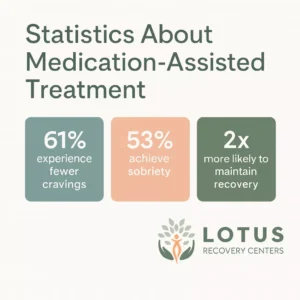
MAT Isn’t a Step Back—It’s a Step Forward
There’s this myth in the recovery world that MAT is only for beginners or people still actively using. That it’s a temporary crutch. That if you’ve been clean for years, going back means you failed.
Let me be clear: That’s nonsense.
For me, returning to MAT was an act of progress, not regression. It helped stabilize some lingering post-acute withdrawal symptoms I didn’t even know were still affecting me. It gave me energy and clarity I hadn’t felt in a long time.
Most importantly, it shifted my recovery from “maintenance” mode into something with real forward motion.
From Surviving to Feeling Again
The first thing I noticed after restarting MAT? Mornings didn’t feel like a fight anymore. I wasn’t dragging myself out of bed, mentally bracing for the day. I had capacity again. And not just physically—but emotionally, too.
I started reconnecting with parts of myself I hadn’t seen in years. The part that loves music. The part that actually laughs at dumb jokes. The part that can sit still without feeling empty.
Someone once told me that long-term sobriety without joy is like trying to run a marathon with no water: technically possible, but miserable.
MAT didn’t fix my life. But it made it feel livable again.
If You’re in That “Flat” Place—Here’s What I Wish I Knew
You’re not broken. You’re not doing it wrong.
Long-term recovery doesn’t always feel good—and that doesn’t mean you’re failing.
There are more tools out there than you think. And returning to something like MAT doesn’t mean you’ve messed up. It means you’re still growing. Still evolving. Still doing what works.
And if you’re in Wilmington or nearby in Prices Corner, Lotus Recovery Centers will meet you exactly where you are.
FAQ: Returning to Medication-Assisted Treatment in Long-Term Recovery
Is it normal to feel emotionally stuck in long-term recovery?
Yes. Many people experience periods of emotional flatness, lack of motivation, or even spiritual disconnection after a few years sober. It’s not failure—it’s a sign to check in with your support system and possibly explore additional tools.
Can you return to MAT years after getting sober?
Absolutely. MAT isn’t just for early recovery. It can support brain chemistry balance, mental health stability, and motivation—especially if post-acute withdrawal symptoms linger longer than expected.
Will returning to MAT mean I’m “starting over”?
No. MAT is a tool, not a measure of success or failure. Returning to it simply means you’re committed to your continued recovery—whatever that looks like now.
How does MAT work at Lotus Recovery Centers?
Lotus provides personalized Medication-Assisted Treatment services in Wilmington and Prices Corner, Delaware, including medications like Suboxone and Vivitrol, plus behavioral health support. Care is tailored to your current stage, not just your past.
What if I’m nervous about how others in recovery will view it?
That’s understandable—and more common than you think. But your recovery is yours. You don’t owe anyone an explanation. And if something helps you move forward, it’s valid.
📞 Ready to feel forward momentum again?
Call (833) 922-1615 or visit Lotus Recovery’s MAT program in Wilmington, DE to explore whether Medication-Assisted Treatment can support your long-term recovery goals.