
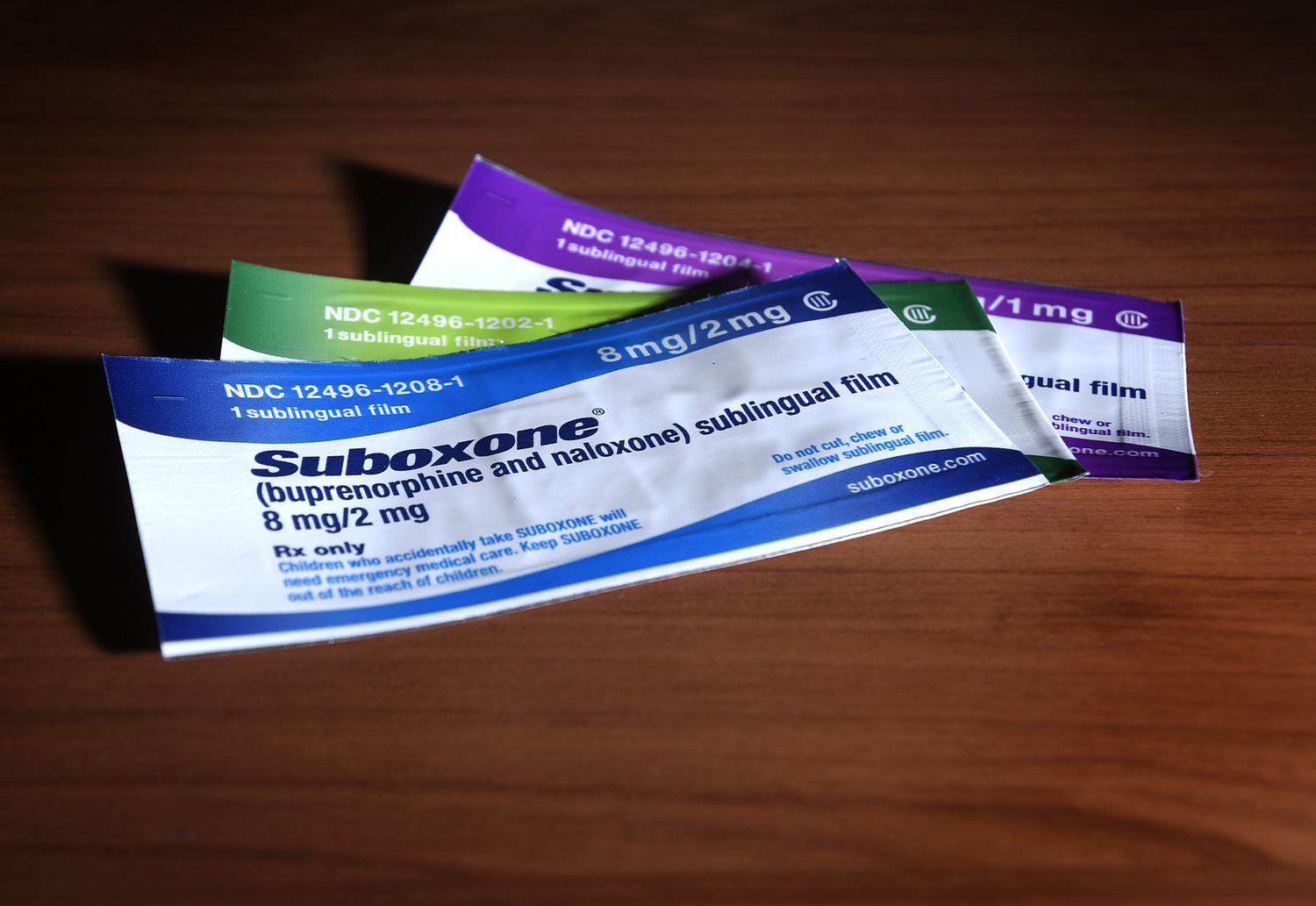
Suboxone is designed to stay in your system far longer than the opioids it replaces, and that’s the point. The long half-life of buprenorphine, the active ingredient, is what keeps withdrawal symptoms and cravings at bay between doses. But “how long it stays in your system” depends on which test is asking the question, and the answer ranges from a few days to several weeks.
Suboxone’s Half-Life, in Plain Terms
Buprenorphine has a half-life of roughly 24 to 42 hours, meaning it takes that long for half the drug to clear your system. Naloxone, the second ingredient in Suboxone, clears much faster, within a few hours. Because buprenorphine binds tightly to opioid receptors, it takes multiple half-life cycles, often five to eight days, before it’s fully out of your bloodstream. Detection in urine, though, lasts considerably longer than that.
Detection Windows by Test Type
Urine tests can detect buprenorphine for 7 to 14 days after the last dose, sometimes longer with extended use. Blood tests have a much shorter window, typically 1 to 3 days, since buprenorphine metabolizes out of blood faster than it clears tissue. Saliva tests fall in a similar range to blood, around 3 to 5 days. Hair follicle tests are the outlier: they can detect buprenorphine use for up to 90 days, since the drug embeds in hair as it grows.
What Actually Changes the Timeline
Two people on the same dose can clear Suboxone at different rates. Liver function matters most, since buprenorphine is metabolized primarily through the liver; someone with impaired liver function will clear it more slowly. Body fat percentage plays a role too, because buprenorphine is fat-soluble and can be stored in fatty tissue longer in some people. Duration of use matters as much as dose: someone on Suboxone for two years will generally clear it slower than someone who took it for two weeks, because of how the drug accumulates in tissue over time.
Why Stopping Suddenly Isn’t the Move
Because buprenorphine clears slowly compared to short-acting opioids, withdrawal from Suboxone tends to start later and stretch out longer than withdrawal from something like heroin or oxycodone. That delayed onset catches people off guard: they feel fine for the first day or two, then symptoms build gradually rather than hitting all at once. It’s a different pattern than methadone withdrawal, which follows its own long, drawn-out curve, but both share the same underlying issue: a long-acting medication doesn’t leave the body on a short-acting timeline, and neither should the plan for coming off it.
How a Supervised Taper Works
A structured Suboxone program typically reduces dosage gradually over weeks or months, adjusted based on how the individual responds, rather than stopping abruptly. That gradual reduction gives the body time to adjust and significantly lowers the intensity of withdrawal symptoms compared to quitting outright. The pace of the taper is one of the most individualized parts of treatment; what works for a six-month taper for one person might be too fast or too slow for someone else.
Frequently Asked Questions
Will Suboxone show up on a standard drug test? Not on a standard 5-panel test, which doesn’t screen for buprenorphine. It requires a specific test designed to detect it.
Does Suboxone show up as an opioid on a drug screen? No, most opioid screens look for substances like morphine, oxycodone, or heroin metabolites; buprenorphine has a distinct chemical structure that standard opioid panels don’t catch.
Considering a Change to Your Treatment Plan?
Whether you’re thinking about tapering, switching medications, or just want a second opinion on your current plan, that conversation should happen with a provider who knows your history. Learn more about medication-assisted treatment at Lotus and what a personalized plan could look like.