

Sometimes the fear isn’t about stopping.
It’s about what might disappear if you do.
People often sit across from a clinician and say something quietly, almost like they’re confessing something strange:
“What if recovery makes me less… me?”
They aren’t afraid of healing.
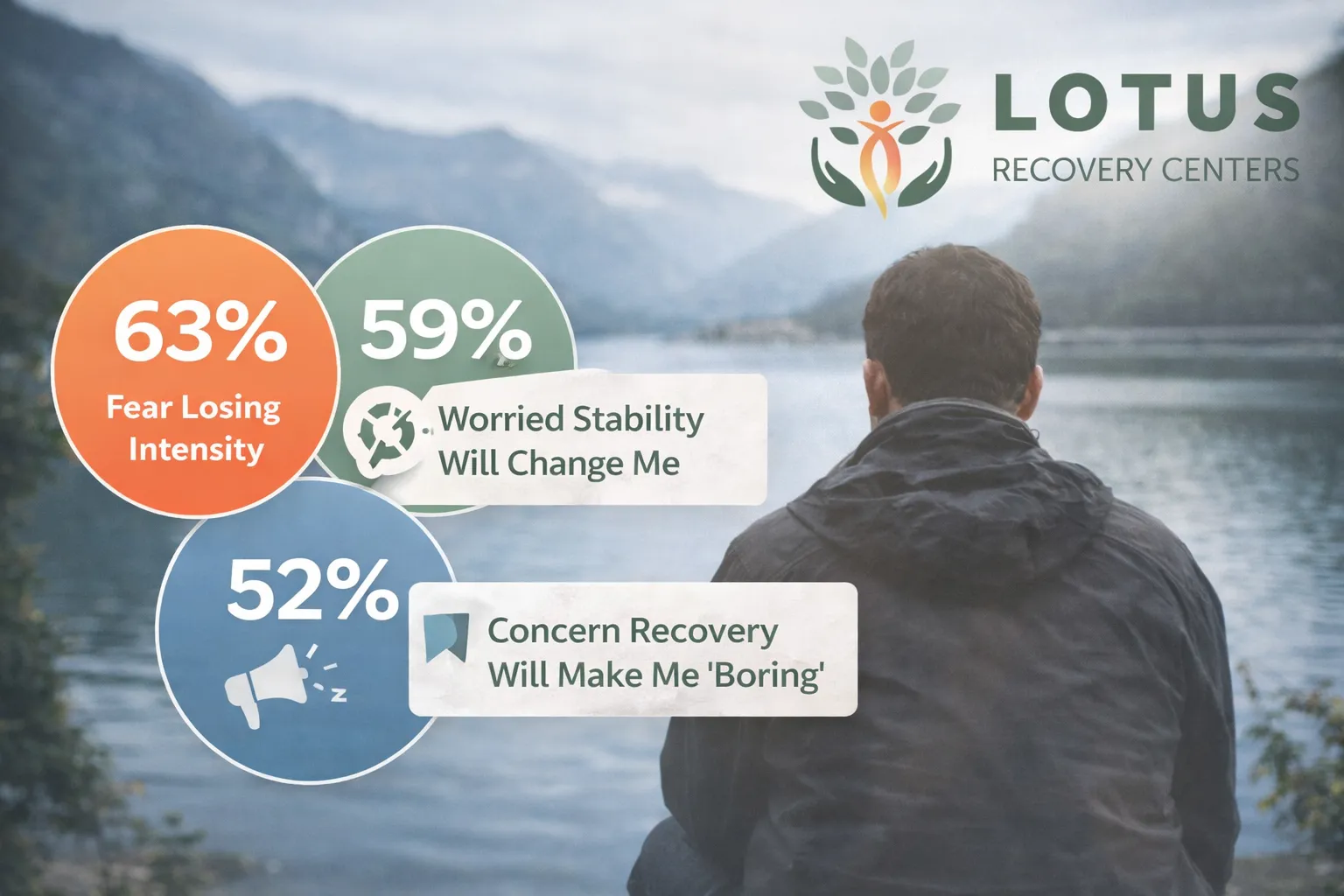
They’re afraid of losing the intensity that makes them feel alive.
This fear shows up frequently among people who think deeply, feel deeply, and create deeply. Writers. Musicians. Designers. Entrepreneurs. People whose identity is tightly woven into emotion, imagination, and expression.
Many people who begin exploring options like medication-supported recovery care arrive with that exact question in their minds:
If things stabilize, will I still recognize myself?
It’s an understandable fear. And it deserves a real answer.
Because recovery is not about replacing the person you are.
It’s about helping that person finally breathe.
The Creative Mind Is Often a Loud Mind
People who worry about losing their identity in recovery tend to have one thing in common: their minds are busy places.
Ideas move quickly.
Emotions arrive intensely.
Thoughts connect in unexpected ways.
That kind of mind can create incredible beauty in the world. But living inside it can also be exhausting.
Many creative individuals describe feeling like their brain never fully shuts off. Even when life is calm, their thoughts keep moving.
Ten open tabs.
All playing music.
Substances often enter this environment as a form of regulation.
They slow the mind down.
They soften emotional spikes.
They quiet anxiety long enough for someone to relax, socialize, or create.
At first, it can feel like those substances are helping.
Like they unlock something inside you.
But over time, that relationship often shifts in ways that are easy to miss.
When Something That Helped Begins Taking Control
Substances rarely begin as the problem.
They begin as the solution.
A drink helps you sleep.
A pill calms your anxiety.
Something else quiets the emotional storm long enough to function.
But slowly, the balance changes.
Instead of being something you choose occasionally, the substance becomes something your body expects.
Sleep becomes difficult without it.
Creativity feels tied to it.
Relaxation feels impossible without it.
The tool begins quietly reorganizing your life.
And many people don’t notice how much power it has gained until they try to imagine life without it.
That’s often when the fear appears.
Not just fear of stopping.
Fear of losing the version of yourself that seemed to exist alongside it.
The Fear That Recovery Will Flatten Everything
One of the most common concerns people voice during early conversations about recovery is simple but powerful.
“What if I become boring?”
It’s rarely said jokingly.
Creative people often associate their emotional intensity with their identity. The late-night inspiration. The passionate conversations. The dramatic emotional waves.
Those experiences can feel essential to creativity.
So the idea of stability can sound like emotional dullness.
People imagine a life where everything becomes flat and predictable.
Where inspiration disappears and personality fades.
But what we consistently observe is something very different.
Recovery does not flatten emotion.
It stabilizes it.
And stability can actually deepen creativity rather than diminish it.
Stability Doesn’t Silence Creativity
In clinical practice, one of the most surprising discoveries for many patients is that creativity often becomes more sustainable in recovery.
Instead of bursts of inspiration followed by emotional crashes, people begin experiencing steadier creative energy.
Instead of needing substances to unlock expression, they find they can access those parts of themselves more naturally.
Focus improves.
Sleep improves.
Emotional regulation improves.
All of these factors support creativity.
One patient once described the shift beautifully.
“Before recovery my creativity felt like fireworks. Bright and explosive but gone in seconds. Now it feels like a fire. Steady enough to keep burning.”
That change doesn’t erase identity.
It supports it.
Identity Is Bigger Than One Coping Tool
Addiction has a way of convincing people that the substance is intertwined with their identity.
“You won’t be the same without this.”
But identity is far more complex.
It’s shaped by your experiences, your relationships, your sense of humor, your imagination, your values.
Substances may influence how you access those parts of yourself, but they don’t create them.
Those qualities existed long before substances entered the picture.
Recovery simply removes the interference that has been making them harder to reach.
Many people are surprised to discover that once stability returns, they feel more authentic than they have in years.
What Patients Often Notice First
The earliest changes in recovery are rarely dramatic.
They’re quiet.
Sleep becomes deeper.
Mornings feel less heavy.
Thoughts become easier to follow.
Then something else begins happening.
People start reconnecting with the things that once gave them meaning.
Music begins to feel powerful again.
Creative ideas start flowing more consistently.
Relationships feel more genuine.
The identity they were afraid of losing slowly reappears.
Not as something new.
But as something that had been buried beneath survival.
Recovery doesn’t replace who you are.
It reveals the parts of you that were waiting for stability.
The Moment People Realize They’re Still Themselves
There is often a moment — sometimes months into recovery — when someone notices something surprising.
They’re listening to a song and feel the same emotional connection they always did.
They write something honest and realize their voice is still there.
They laugh with a friend and notice the comfort feels natural.
And a thought appears:
“I’m still me.”
Just steadier.
Just clearer.
Just less exhausted from fighting constant internal chaos.
For many people, that realization changes everything.
Because the fear that once kept them from seeking help begins dissolving.
Recovery Creates Room for the Real You
When substances are no longer controlling emotional rhythms, people gain something incredibly valuable.
Space.
Space to think clearly.
Space to create.
Space to connect with others.
Instead of constantly managing emotional highs and lows, they begin building a life that supports their identity rather than overwhelming it.
Recovery doesn’t silence personality.
It creates the conditions where personality can exist without constant crisis.
And for many people, that feels like rediscovering themselves.
FAQs
Will recovery change who I am as a person?
Recovery does not erase personality traits such as creativity, emotional depth, or humor. Many people actually report feeling more authentic once substances are no longer controlling their emotional state.
What if substances helped my creativity?
Some individuals feel substances enhance creativity in the short term. Over time, however, substance use often interferes with sleep, concentration, and emotional stability. Many people find their creativity becomes more consistent once they are stable in recovery.
Will treatment make me feel emotionally numb?
Emotional numbness is a common concern, but most people experience the opposite. As the brain stabilizes, individuals often report clearer thinking and healthier emotional regulation rather than emotional dullness.
Can artists and creative professionals stay creative in recovery?
Absolutely. Many musicians, writers, designers, and performers continue producing meaningful work while in recovery. Stability often provides the focus and consistency needed for long-term creative success.
How do I know if this type of support might help me?
If substance use has begun affecting sleep, emotional balance, relationships, or creative work, it may be helpful to explore treatment options. A conversation with a clinician can help determine what level of support may be appropriate.
What if I’m afraid to take the first step?
Fear is very common. Many people hesitate because they worry recovery will change who they are. The first step is usually just a conversation about your options and what support might look like for you.
If you’re looking for care in Delaware, compassionate support is available.
Call (833)922-1615 to learn more about medication assisted treatment in Wilmington, Delaware.